Pest Control for Childcare Centres & Schools (Singapore)
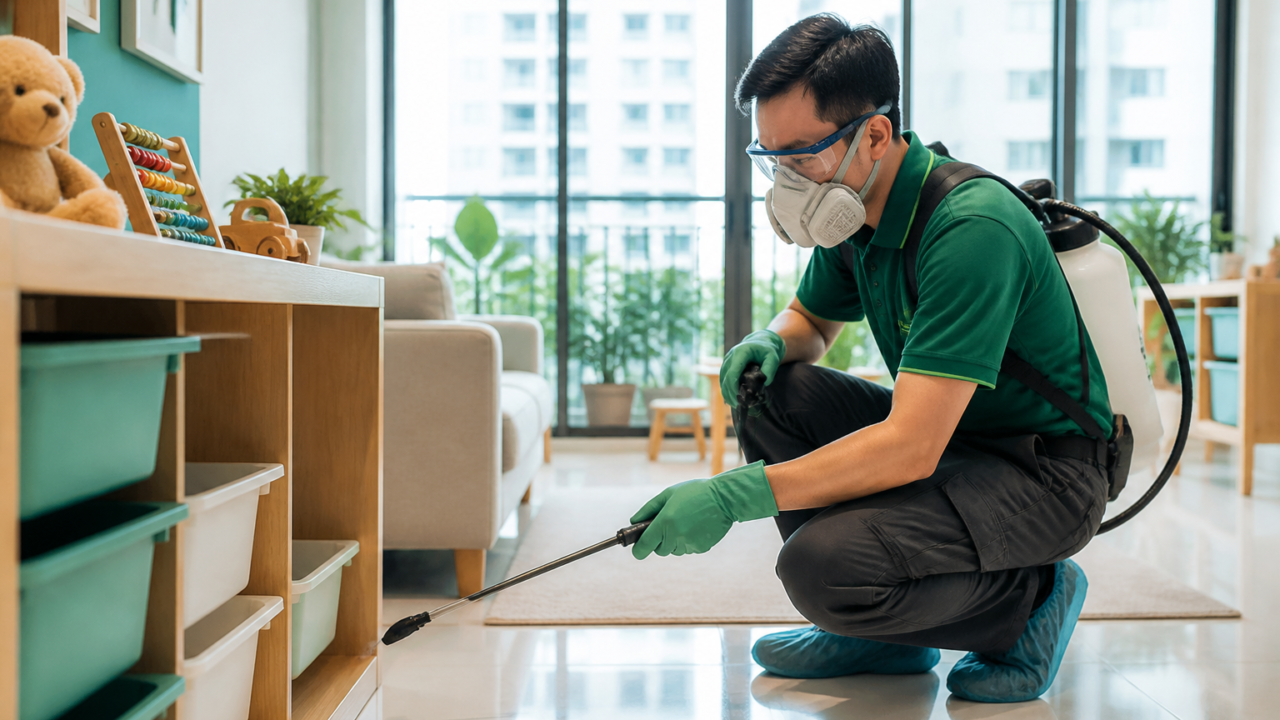
Children spend their days on the floor, touching everything and putting hands in mouths — so pest control in a childcare centre or school has to be both effective and exceptionally safe. In Singapore’s warm climate, pests are persistent, but the treatment has to fit a space full of young children. This guide to pest control for childcare in Singapore covers what to prioritise, safer methods, and how to schedule it around little ones.
Why childcare and schools need special care
The pests are familiar, but the stakes are higher. Centres deal with food, nap areas, soft furnishings and outdoor play spaces, all of which attract activity.
Common issues include:
- Cockroaches in kitchens, pantries and drains.
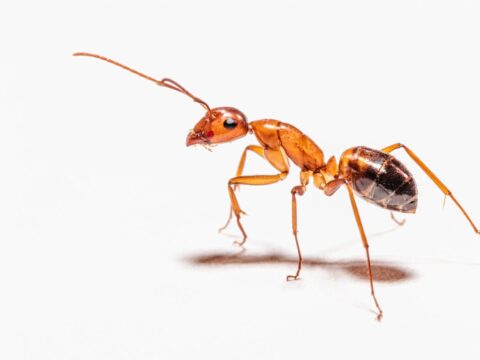
- Ants trailing to snacks and spills.
- Mosquitoes breeding in outdoor play areas and drains.
- Rodents near food storage and waste.
- Bed bugs occasionally hitchhiking in on bags or nap mats.
Because the occupants are children, pest control for childcare in Singapore leans heavily on prevention and targeted, low-toxicity treatments rather than broad chemical sprays.
Safety first: pest control for childcare Singapore needs
A responsible programme minimises children’s exposure to any chemical. Look for an approach built around:
- Targeted baiting — gel baits and bait stations placed out of reach, in voids and cabinets, instead of surface spraying.
- Physical exclusion — sealing gaps, screening windows and fitting door sweeps.
- Monitoring — discreet stations that track activity without active chemicals.
- Scheduling around closures — treatments done after hours, on weekends or during holidays, with clear re-entry guidance.
Always ask the provider which products are being used, where, and how long before children should return to the area. A good professional pest control team will document this clearly.
Prevention that staff can manage daily
The strongest protection is a centre that does not feed pests in the first place.
- Store food in sealed containers and clean up snacks promptly.
- Empty bins daily and keep the waste area clean.
- Clear standing water around play areas after rain to stop mosquitoes breeding.
- Wash and store nap mats and soft items properly.
- Keep store rooms tidy, dry and inspected.
Training staff to report early sightings means problems get caught while they are small and easy to treat with minimal intervention.
Mosquitoes and the outdoor environment
Outdoor play areas, drains and plant trays are prime Aedes breeding sites, and dengue is a real concern in Singapore. Centres should run a simple routine of removing stagnant water in line with NEA’s Mozzie Wipeout habits — checking gully traps, flower pots and any container that holds water.
Where mosquito pressure is high, professional mosquito control can add source reduction and targeted treatment around the perimeter, scheduled so children are not present during application.
What to expect from a service
A typical childcare-focused programme looks like this:
| Element | Detail |
|---|---|
| Inspection | Kitchen, nap rooms, store, outdoor areas |
| Treatment | Targeted baiting and exclusion, low-toxicity focus |
| Mosquito routine | Source reduction and perimeter checks |
| Timing | After hours / holidays, with re-entry guidance |
| Reporting | Documented service notes for licensing records |
Keeping records also supports any licensing or inspection requirements — confirm the specifics that apply to your centre with the relevant authority.
Bed bugs and shared items
Childcare settings sometimes face bed bugs, which hitchhike in on bags, soft toys, nap mats and bedding rather than appearing because a centre is dirty. They are easy to spread and hard to clear without proper treatment. Reduce the risk by laundering nap bedding on a hot cycle regularly, inspecting and storing children’s bags separately where possible, and acting quickly at the first sign of small bites or specks on mats. If bed bugs are suspected, a professional treatment is far more reliable than DIY, and isolating affected items prevents them spreading through the centre.
What to ask a provider before booking
Because the occupants are young children, it is reasonable to ask more questions than a normal home would. Before engaging anyone, confirm:
- Which products are used and where. Look for an approach built on contained baiting and physical exclusion rather than open surface spraying in play areas.
- Re-entry times. How long after any treatment before children can safely return to a room. A good provider gives this in writing.
- Application timing. Whether work is done after hours, at weekends or during holiday closures so children are never present during treatment.
- Documentation. Service reports you can keep for licensing and parent communication.
A provider who answers these clearly and without pressure is the one to trust. If you are unsure whether a recurring problem has outgrown in-house cleaning, the signs you need professional pest control guide sets out the cues.
Helping parents and staff understand the plan
Pest control in a childcare setting works best when it is not a secret. Letting parents know there is a scheduled, low-toxicity programme — and that treatments happen when children are away — reassures rather than alarms. A simple notice board log of service dates, plus a clear staff routine for reporting sightings, turns pest management into part of normal hygiene practice rather than a panicked response to one cockroach. This is also the kind of documented, ongoing approach that a pest control contract supports better than one-off call-outs.
Frequently asked questions
Is pest control safe around young children?
How often should a childcare centre be treated?
Do we still need to do anything ourselves?
What if we find bed bugs?
Related guides
- Mosquito control in Singapore
- Pest control safety for babies and children
- Are pesticides safe around pets
- How to prevent mosquito breeding
- How to check for bed bugs
- Office pest control in Singapore
Keeping a centre safe and pest-free
The centres that stay clear combine careful daily hygiene, mosquito source reduction and a low-toxicity professional service scheduled around the children. That balance protects both the health of the children and the peace of mind of parents and staff.
If you run a centre and want a child-safe programme, contact us for a free quote and we will tailor a plan to your space and schedule.
*Protect the children in your care with safe, scheduled pest control for childcare in Singapore — get a free quote.*