How Often Should You Do Pest Control? (Singapore)
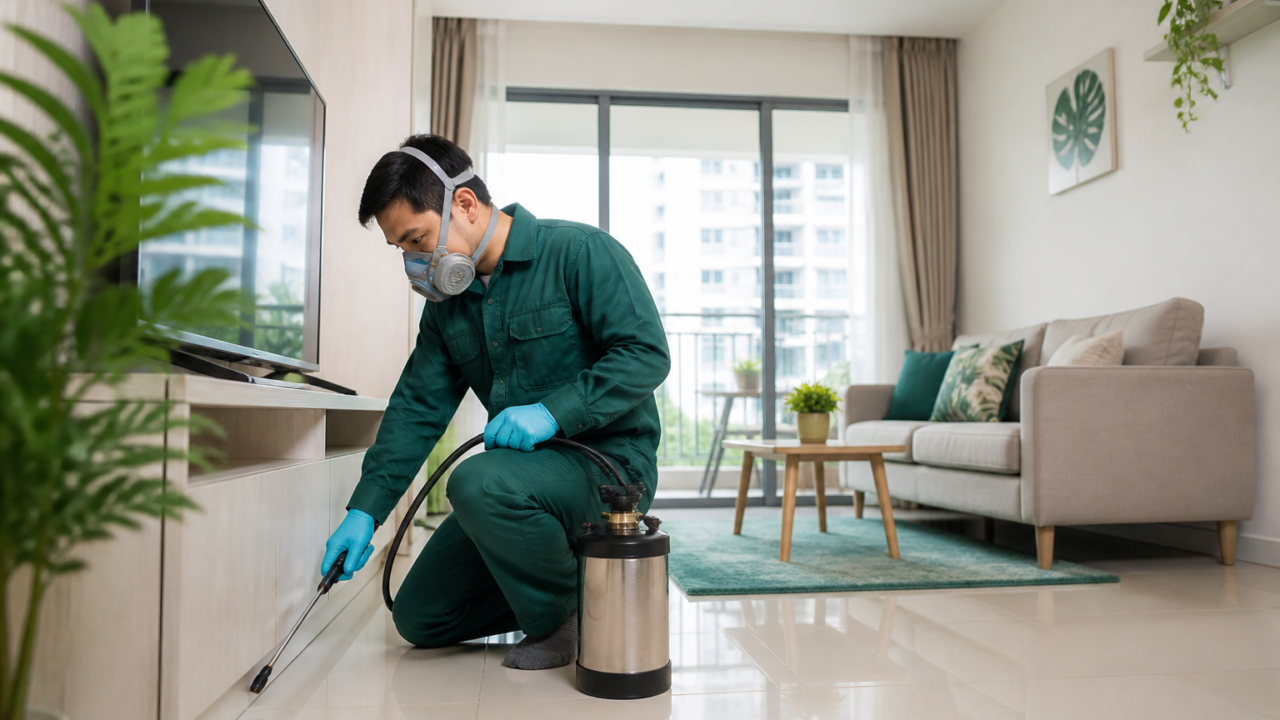
It is one of the most common questions we hear: how often should you do pest control? The honest answer is that there is no single number — the right interval depends on your property, your pest pressure and your risk tolerance. This guide gives realistic frequencies for Singapore homes and businesses, and the factors that move the dial.
Why frequency matters
Pest control is not a one-and-done fix. In Singapore’s warm, humid climate, pests breed year-round, and untreated gaps let populations rebuild between visits. Regular service keeps numbers low and catches new activity early, while sporadic, reactive treatment lets problems return.
So when people ask how often should you do pest control, the underlying goal is simple: stay ahead of breeding cycles rather than chasing outbreaks.
General guidelines by property type
These are typical starting points, not rigid rules — your situation may justify more or less.
| Property | Typical frequency |
|---|---|
| HDB / condo home (no active issue) | Every 3–6 months, or as needed |
| Landed home | Quarterly, plus annual termite check |
| Restaurant / F&B | Monthly |
| Office | Quarterly |
| Childcare / school | Quarterly, scheduled around children |
| Warehouse / factory | Monthly to quarterly, audit-driven |
Homes with no current problem often manage with prevention plus occasional treatment, while commercial kitchens need frequent, documented service to stay compliant.
What pushes the interval shorter
Several factors mean you should treat more often:
- High pest pressure — ground-floor units, homes near drains, food waste areas or greenery.
- Food handling — any business preparing or storing food.
- A recent infestation — closer follow-ups until it is confirmed gone.
- Building or area issues — shared risers, nearby construction or a dengue cluster.
- Vulnerable occupants — childcare, healthcare and similar settings.
If you have just cleared an infestation, expect a tighter schedule initially before stepping back to a maintenance interval.
What lets you space it out
You can often extend the interval when:
- Your home has strong prevention — sealed gaps, screens, tidy kitchen, no standing water.
- You are higher up with fewer entry points.
- You have had no activity over several cycles.
- You handle minor issues with DIY before they grow.
Good prevention genuinely reduces how often you need professional pest control, because pests have fewer reasons to come in. Sealing gaps around pipes and under doors, fitting screens on windows and vents, storing food in sealed containers and clearing standing water all remove the things that draw pests inside. A home that is well sealed and dry simply needs treatment less often than one that offers easy food, water and entry. Think of prevention and scheduled service as working together — the stronger your prevention, the longer the safe gap between professional visits.
Pest-specific timing
Some pests follow their own schedule regardless of general frequency:
- Termites — an annual inspection is wise for landed homes and ground-level properties, even with no visible signs, given how costly hidden damage is. Professional termite control often includes monitoring between checks.
- Mosquitoes — source reduction should be a weekly habit (NEA’s Mozzie Wipeout), with professional treatment stepped up during cluster periods.
- Cockroaches and ants — usually folded into the regular interval, with prevention in between.
Seasonal and weather factors
Singapore does not have a true off-season for pests, but weather still shifts pressure through the year. Heavy rain pushes cockroaches and rodents indoors and leaves standing water that breeds mosquitoes, so activity often rises during wetter spells. Termite swarms also tend to follow rain. It is worth tightening prevention — clearing standing water, checking drains and sealing gaps — during prolonged wet periods, and being ready to bring a scheduled visit forward if you notice a spike in activity.
Finding your right interval
The practical approach is to start with the general guideline for your property, then adjust based on what you actually see. If activity returns before the next visit, shorten the interval; if you go several cycles clean with good prevention, you can lengthen it.
A professional can recommend a schedule after an inspection rather than guessing. The best frequency is the one that keeps your property consistently clear with the least over-treatment.
How frequency interacts with one-off versus contract
Frequency and commitment are really the same decision viewed from two angles. If your property only needs treatment once or twice a year and your prevention is strong, paying per visit as needed is usually fine. But once the sensible interval drops to quarterly or monthly — as it does for food businesses, ground-floor units and anywhere with ongoing pressure — a recurring plan tends to work out better value than repeated one-offs, and it adds monitoring and call-back cover between visits. If you are weighing the two, our guide on one-time vs contract pest control breaks down where each makes sense.
Don’t confuse frequency with effectiveness
More visits do not automatically mean a cleaner property. A monthly service on a site that feeds pests every night will still struggle, while a well-sealed, tidy home can stay clear on a longer interval. Frequency is one lever; prevention and a proper treatment that reaches the source are the others. If pests keep returning no matter how often you treat, the issue is usually an unaddressed source — a leaking drain, an open entry point or shared building infrastructure — rather than too few visits. In that case, the fix is a better-targeted treatment, not simply a tighter schedule. The signs you need professional pest control guide helps you spot when a recurring problem needs a different approach.
Frequently asked questions
How often should a typical Singapore home be treated?
Do businesses need to treat more often than homes?
Can good prevention really reduce how often I need treatment?
Should I tighten the schedule after an infestation?
Related guides
- One-time vs contract pest control
- Signs you need professional pest control
- DIY vs professional pest control
- Termite control in Singapore
- How to prevent mosquito breeding
- Pest control for landed homes
If you want a schedule matched to your property, contact us for a free quote and we will recommend the right interval.
*Get a pest control schedule that fits your Singapore home or business — request a free quote.*