Dangerous Snakes in Singapore: What to Know & Do

Singapore is home to many snake species, and while most are harmless, a few are venomous and deserve respect. Knowing which dangerous snakes in Singapore to watch for — and, just as importantly, what to do when you see any snake — helps you stay safe at home and outdoors. This guide covers identification, safe behaviour and prevention. Snakes are protected wildlife, so the goal is never to handle them yourself.
Most snakes you’ll see are harmless
The vast majority of snakes in Singapore are non-venomous or pose little threat to people. Common harmless or low-risk species include various pythons (which are non-venomous but large and powerful) and many slender, fast-moving snakes that flee from humans.
Because telling species apart is genuinely difficult, the safest approach is simple: treat every snake as potentially dangerous, keep your distance, and don’t try to identify it up close.
Venomous snakes to be aware of
A small number of snakes in Singapore are medically significant. These include:
- Cobras (such as the equatorial spitting cobra and king cobra) — capable of delivering a serious bite; spitting cobras can also spray venom toward the eyes.
- Coral snakes — brightly banded, secretive, and venomous.
- Pit vipers (such as the Wagler’s pit viper) — often greenish, sometimes found in vegetation.
- Sea snakes — found in coastal waters, venomous but generally not aggressive.
You don’t need to memorise every species. What matters is recognising that some snakes are dangerous and that all of them should be left alone.
How to tell venomous from harmless — carefully
There is no single foolproof rule, and many “tricks” are unreliable. A few general pointers can help from a safe distance only:
- A cobra raising its forebody and spreading a hood is a clear warning sign — back away immediately.
- Brightly banded snakes (like coral snakes) should be treated as venomous.
- Triangular, broad heads are common in vipers, though this is not a reliable rule on its own.
Do not rely on these to get closer. Even experts identify snakes by behaviour and habitat, not by approaching. When in doubt, assume it’s dangerous.
What to do if you see a snake
Whether at home, in a park or along a drain, follow these steps:
- Stop and stay calm. Most snakes want to escape, not confront you.
- Keep a safe distance — several metres — and never try to catch, corner or kill it.
- Give it space to move away. Do not block its exit.
- Move children and pets indoors or well clear.
- If it’s indoors, close the room off if you safely can, and keep everyone out.
- Call for help rather than handling it yourself.
For a spitting cobra, also protect your eyes and back away — do not approach to confirm the species.
Who to call
Snakes are protected wildlife, so the right contacts are wildlife authorities, not extermination:
- ACRES Wildlife Rescue Hotline: 9783-7782 for snake removal and rescue.
- NParks Animal Response Centre: 1800-476-1600.
These teams can safely remove and relocate the animal. For a calm, step-by-step walkthrough of a home encounter, see our guide on snakes in Singapore homes and what to do.
If someone is bitten
Treat any snakebite as a medical emergency:
- Go to the nearest hospital immediately — call 995 if needed.
- Keep the person calm and still; keep the bitten limb still and below heart level if possible.
- Remove rings, watches or tight items near the bite before swelling.
- Do not cut the wound, suck out venom, apply a tourniquet, or try to catch the snake.
- If you can do so safely from a distance, note its colour and size to help doctors — but never risk a second bite.
Hospital is the only appropriate treatment; do not rely on home remedies.
Preventing snakes near your home
Snakes follow food and shelter. To make your home less inviting:
- Keep the area tidy — clear leaf litter, clutter and dense undergrowth where snakes hide.
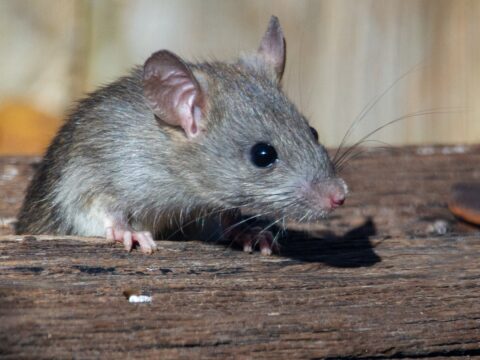
- Control rodents, a key snake food source; persistent issues may need rodent control in Singapore.
- Seal gaps under doors, around pipes and vents.
- Trim vegetation away from walls and ground-floor windows.
Managing rodents and clutter is one of the most effective ways to reduce snake visits, which is where general pest control in Singapore can help with the *attractants* even though snakes themselves are handled by wildlife teams.
Where snakes turn up around homes
Knowing the likely spots helps you stay alert without becoming anxious. Snakes are drawn to cool, sheltered, damp places with cover and a food supply. Around Singapore homes that often means drains and scupper channels, dense garden shrubbery and leaf piles, store rooms and under-stair clutter, gaps beneath garden sheds, and occasionally toilet or drainage pipes in ground-floor and landed properties. They are not seeking out people — they follow rodents, frogs and lizards, and they rest where it’s quiet. This is why tidiness and rodent control do so much of the work: remove the cover and the food, and most snakes simply have no reason to linger. If you spot one, remember the rule that runs through this guide — keep your distance, don’t try to identify or handle it up close, and call the wildlife teams.
Keeping pets safe
Curious dogs and free-roaming cats are at higher risk than people, because they investigate and provoke snakes. Keep dogs leashed in forested parks and nature areas, avoid letting them nose into undergrowth, drains or wood piles, and don’t let pets approach a snake even if it appears still. If a pet is bitten or has contact with a snake, treat it as urgent and contact a vet immediately — the same principle as for people: do not wait to see how it develops.
Frequently asked questions
Are most snakes in Singapore dangerous?
Should I call pest control to remove a snake?
What should I never do if I see a snake?
What’s the first thing to do for a snake bite?
Related guides
- Snakes in Singapore homes: what to do
- How to deal with monitor lizards
- Wild boar in Singapore: what to do
- Rodent control in Singapore
- Pest control in Singapore
*Got rodents or other pests drawing snakes to your home? Get a free quote from Insect Out.*