Office Pest Control in Singapore: A Practical Guide
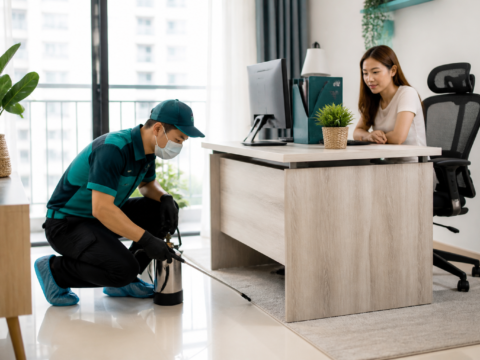
Offices feel like unlikely pest targets, but pantries, server rooms and quiet weekends give pests everything they need. In Singapore’s climate, a…
Read more →Practical guides to identifying, getting rid of and preventing common household pests in Singapore — from cockroaches and ants to rodents, flies, termites and more.
Offices feel like unlikely pest targets, but pantries, server rooms and quiet weekends give pests everything they need. In Singapore’s climate, a…
Read more →A single cockroach spotted by a diner can do more damage than a slow night. For F&B operators, restaurant pest control Singapore…
Read more →Moving into a new place is the best possible time to keep pests out — before they’ve settled in and started breeding.…
Read more →The kitchen is ground zero for household pests — it has the food, water and warmth that cockroaches, ants and pantry pests…
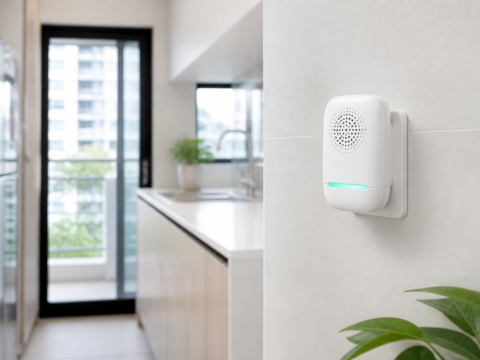
Read more →Plug it in, and pests supposedly flee — no chemicals, no mess. The ultrasonic pest repeller is one of the most heavily…
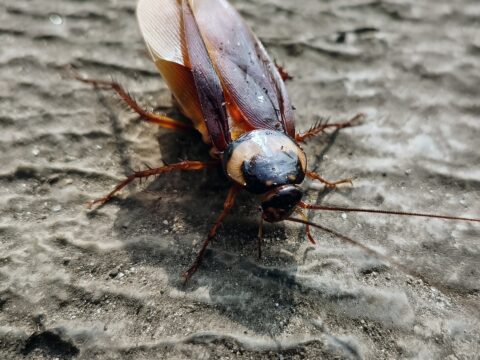
Read more →If you’ve just seen roaches scatter across your kitchen, you want them gone now — not next week. So let’s be honest…
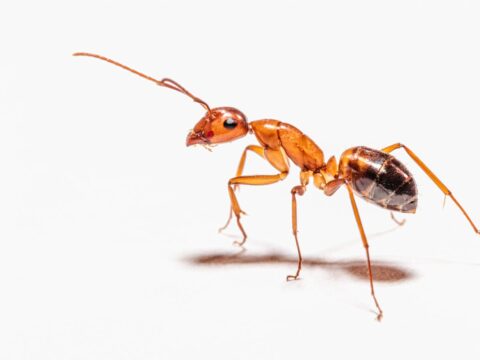
Read more →Vinegar is the most-recommended kitchen remedy for ants, so it’s fair to ask: does vinegar get rid of ants, or is it…
Read more →If you’d rather not spray harsh chemicals around your kitchen or near kids and pets, a natural insecticide can be a sensible…
Read more →If you’ve been searching for a homemade mosquito trap, you’re probably tired of being bitten in your own HDB flat or condo.…
Read more →A homemade ant trap can genuinely clear an ant problem — far better than spraying the trail — because it targets the…
Read more →Singapore's warm, humid climate is ideal for pests all year round. The usual culprits in local homes are cockroaches (especially the American and German species), ants, mosquitoes, rats and mice, termites, bed bugs and the occasional spider or centipede. High-rise living is no guarantee of safety — pests travel through rubbish chutes, shared walls, drainage pipes and gaps around windows and doors.
Our pest-control guides help you identify what you're dealing with, the safest ways to get rid of it, and — most importantly — how to stop it coming back.
Many problems can be handled at home with the right bait, traps or sprays, particularly if you catch them early. Larger or recurring infestations — termites, heavy rodent activity or bed bugs — are usually better left to a licensed pest-control service. Each guide tells you which situation you're in and when it's time to bring in help.
Prevention is the cheapest pest control of all: seal food, fix leaks, clear clutter, and screen your windows and doors so flying and crawling insects can't get in.
Cockroaches and ants top the list, thanks to the warm, humid climate and easy access to food and water. Mosquitoes and rodents are also widespread, especially near food waste and drains.
Minor, early-stage problems — a few ants or the odd cockroach — can often be solved with baits and good hygiene. Termites, heavy rodent activity and bed bugs usually need a licensed professional. Our guides flag which is which.
For most homes, a quarterly preventive check or treatment is enough. Ground-floor and landed homes may need more frequent attention. Routine cleaning and sealing entry points reduces how often you'll need treatment.
Modern treatments are generally low-toxicity when applied correctly, but keep children and pets away from treated areas until surfaces are dry, and always follow the product label or your technician's advice.
Remove their food, water and shelter: store food in sealed containers, fix leaks, take out rubbish regularly, declutter, and seal gaps around pipes, windows and doors. Insect screens keep flying and crawling pests out while letting air in.