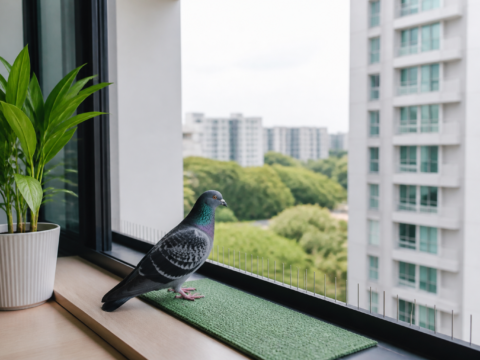
How to Get Rid of Pigeons (Singapore)
Pigeons on your ledge mean droppings, noise, feathers and mites — and once they decide your balcony is home, they’re stubborn. If…
Read more →Practical guides to identifying, getting rid of and preventing common household pests in Singapore — from cockroaches and ants to rodents, flies, termites and more.
Pigeons on your ledge mean droppings, noise, feathers and mites — and once they decide your balcony is home, they’re stubborn. If…
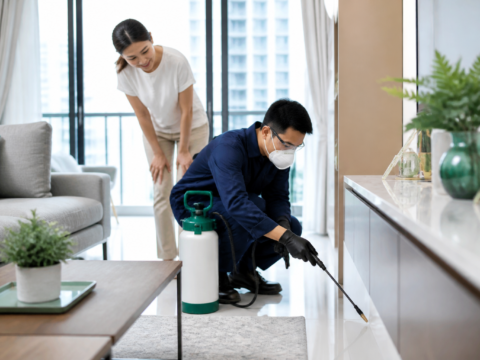
Read more →If you’ve never booked a treatment before, it’s fair to ask what does pest control include — and whether you’re paying for…
Read more →A single ant or the odd cockroach rarely needs a professional. But pests are good at hiding, and by the time certain…
Read more →When you book pest control, you usually face a choice: pay for a single visit, or sign up for an ongoing plan.…
Read more →It is one of the most common questions we hear: how often should you do pest control? The honest answer is that…
Read more →Reach for a supermarket spray, or pick up the phone? It is the question most Singapore households face at the first sign…
Read more →Large volumes of stock, constant goods movement and big roller doors make warehouses and factories some of the toughest environments to keep…
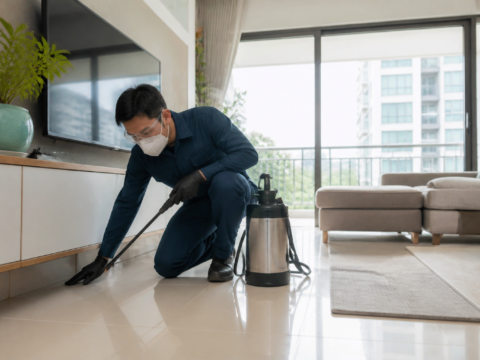
Read more →Landed homes give you space, a garden and more privacy — and a wider pest profile than an apartment. Direct ground contact,…
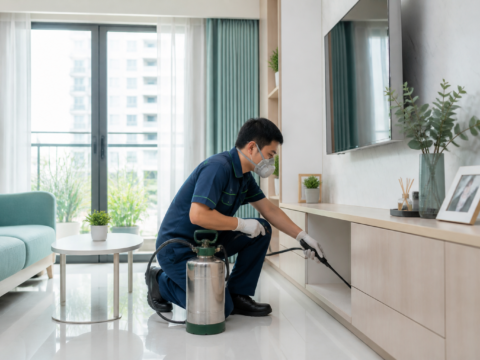
Read more →In a condo, a pest problem is rarely just yours. Roaches travel through risers, rodents use common drains, and mosquitoes breed in…
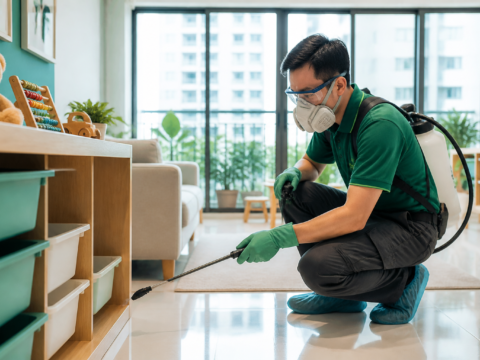
Read more →Children spend their days on the floor, touching everything and putting hands in mouths — so pest control in a childcare centre…
Read more →Singapore's warm, humid climate is ideal for pests all year round. The usual culprits in local homes are cockroaches (especially the American and German species), ants, mosquitoes, rats and mice, termites, bed bugs and the occasional spider or centipede. High-rise living is no guarantee of safety — pests travel through rubbish chutes, shared walls, drainage pipes and gaps around windows and doors.
Our pest-control guides help you identify what you're dealing with, the safest ways to get rid of it, and — most importantly — how to stop it coming back.
Many problems can be handled at home with the right bait, traps or sprays, particularly if you catch them early. Larger or recurring infestations — termites, heavy rodent activity or bed bugs — are usually better left to a licensed pest-control service. Each guide tells you which situation you're in and when it's time to bring in help.
Prevention is the cheapest pest control of all: seal food, fix leaks, clear clutter, and screen your windows and doors so flying and crawling insects can't get in.
Cockroaches and ants top the list, thanks to the warm, humid climate and easy access to food and water. Mosquitoes and rodents are also widespread, especially near food waste and drains.
Minor, early-stage problems — a few ants or the odd cockroach — can often be solved with baits and good hygiene. Termites, heavy rodent activity and bed bugs usually need a licensed professional. Our guides flag which is which.
For most homes, a quarterly preventive check or treatment is enough. Ground-floor and landed homes may need more frequent attention. Routine cleaning and sealing entry points reduces how often you'll need treatment.
Modern treatments are generally low-toxicity when applied correctly, but keep children and pets away from treated areas until surfaces are dry, and always follow the product label or your technician's advice.
Remove their food, water and shelter: store food in sealed containers, fix leaks, take out rubbish regularly, declutter, and seal gaps around pipes, windows and doors. Insect screens keep flying and crawling pests out while letting air in.