Insect Screen vs Mosquito Net: What’s the Difference?

Both keep mosquitoes off you, both use mesh — so what’s the real difference between an insect screen and a mosquito net? In Singapore, where Aedes mosquitoes spread dengue and Zika, choosing the right one (or both) matters. Here’s a clear comparison of insect screen vs mosquito net so you can protect your home and your sleep the smart way.
Insect Screen vs Mosquito Net: The Key Difference
The simplest distinction:
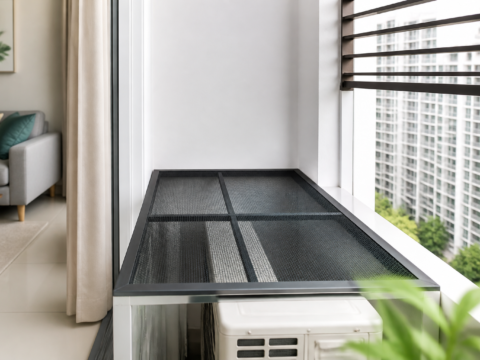
- An insect screen fits over a *window or door*. It stops insects entering the room at all, while letting air flow through. It protects the whole space, all day.
- A mosquito net drapes over a *bed* (or cot or pram). It creates a protected zone around the sleeper, but only while they’re inside it.
In short: a screen protects the *room*; a net protects the *bed*. That difference drives when you’d use each.
How They Compare
| Feature | Insect screen | Mosquito net |
|---|---|---|
| Protects | The whole room | The bed/sleeping area only |
| When it works | All day, whenever windows are open | While you’re under it |
| Lets you open windows? | Yes — keeps airflow, bugs out | Doesn’t affect windows |
| Good for | Living areas, kitchens, bedrooms, the whole home | Beds, cots, prams; travel; rentals |
| Keeps non-flying pests out? | Helps keep many insects out of the room | No — only shields the bed |
| Installation | Fitted to window/door (magnetic, no-drill options) | Hung over the bed; portable |
When to Use an Insect Screen
An insect screen is the better choice when you want to live with your windows open without mosquitoes, flies and other insects coming in. It suits:
- Living rooms and kitchens where you want a breeze without bugs
- Bedrooms, so the whole room stays insect-free, not just the bed
- Households that want to cut down on coils, sprays and sealed air-con
- Families with babies, elderly members or asthma sufferers who prefer a chemical-free barrier
Our window insect screens are magnetic and no-drill, so they suit HDB flats and condos and lift off easily for washing. Because they protect the entire room, you’re covered while cooking, relaxing or sleeping — not just when you’re in bed.
When to Use a Mosquito Net
A mosquito net shines when you need portable, targeted protection or can’t modify the windows:
- Over a baby’s cot or pram, where chemical-free protection is ideal
- In rented rooms or dorms where you can’t fit screens
- While travelling or camping
- As extra protection at night during a dengue cluster
Nets are cheap, portable and chemical-free — but they only protect whoever is inside them, and you have to use them every night.
Which Do You Need?
For most Singapore homes, the answer is: a screen first, with a net as a useful extra.
- Want your whole home insect-free with open windows? → Insect screen.
- Need to protect a baby in a cot, or you’re renting/travelling? → Mosquito net.
- Want the best of both? → Screen the windows *and* use a net over cots and beds during cluster periods.
A screen tackles the root issue — mosquitoes getting into your living space — while a net is a handy, focused backup. Side by side:
Insect screen – Pros: protects the whole room, all-day cover, lets you keep windows open, chemical-free, low maintenance once fitted. – Cons: fitted to specific windows/doors, so it’s not portable between homes.
Mosquito net – Pros: cheap, portable, chemical-free, ideal for cots, rentals and travel. – Cons: only protects whoever’s inside it, must be used every night, and gaps or tears let mosquitoes in.
For a permanent home, the screen’s whole-room, hassle-free protection usually wins; for travel and cots, the net’s portability is hard to beat.
Don’t Forget the Breeding Source
Neither product reduces the number of mosquitoes outside. Pair them with weekly source reduction — clearing stagnant water from plant plates, pails and gutters — to genuinely cut mosquito numbers. See our guide on how to prevent mosquito breeding.
The Bottom Line
Insect screen vs mosquito net comes down to scope: a screen protects your whole room and lets you enjoy open windows, while a net protects the bed and travels with you. Most homes benefit from a screen as the main defence.
Cost, Maintenance and Longevity
The two products sit at different points on cost and upkeep, which often settles the decision:
- Mosquito nets are cheap and need no fitting, but they wear, tear and snag over time, and a single gap lets mosquitoes in. They also have to be set up and used every single night to do their job. For choosing one, see the best mosquito net for bed.
- Insect screens cost more upfront but, once fitted, protect the whole room with almost no daily effort — you just open the window as normal. A quality magnetic, no-drill screen lifts off for washing and refits in seconds, and prices depend on window size and number of openings rather than a fixed figure.
For a home you live in long-term, the screen’s low-effort, whole-room cover usually justifies the higher initial spend. For travel, rentals and cots, the net’s portability is hard to beat. If you’re weighing whether screens earn their keep, our guide on are insect screens worth it goes into detail, and magnetic vs fixed insect screens covers the removable option.
Frequently asked questions
Can I use both a screen and a net?
Which is better for a baby?
Do insect screens reduce airflow?
I’m renting — which should I choose?
Related guides
- How to prevent mosquito breeding
- Best mosquito net for bed
- Mosquito net for baby cot and stroller
- HDB insect screens
- Are insect screens worth it?
*Want your whole home protected with open windows? Explore our window insect screens or browse the insect screen range.*