
How to Check for Bed Bugs (Step by Step)
Waking up with unexplained bites or just back from travel and feeling uneasy? Knowing how to check for bed bugs early can…
Read more →Everything Singapore homeowners need to know about bed bugs: how to spot the early signs, treat an infestation properly, and stop them coming back.
Waking up with unexplained bites or just back from travel and feeling uneasy? Knowing how to check for bed bugs early can…
Read more →Bed bugs are small, reddish-brown insects that feed on blood at night and hide in the seams of mattresses, bed frames, headboards and nearby furniture during the day. The earliest signs are usually small, itchy bites in rows, tiny dark spots (droppings) along mattress seams, shed skins, or a faint musty smell in heavy infestations.
Because they breed quickly and hide well, catching them early makes treatment far easier. If you've travelled, bought second-hand furniture, or stayed somewhere with a possible infestation, it's worth a careful check.
Light infestations can sometimes be managed with thorough cleaning, hot washing and drying of bedding, vacuuming, and encasing the mattress. Established infestations almost always need professional bed bug treatment — bed bugs resist many over-the-counter sprays, and missed eggs simply restart the cycle.
To prevent a recurrence, inspect luggage and second-hand items, reduce clutter around the bed, and seal cracks where bugs can hide. If the problem keeps coming back, a licensed pest-control service can treat the whole home properly.
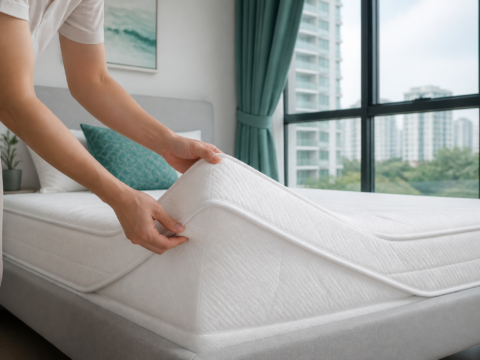
Look for itchy bites in lines or clusters, small dark droppings along mattress seams, shed skins, and tiny reddish-brown insects in the seams of your mattress and bed frame. A torch and a close inspection of the seams is the best home check.
Very early, very small infestations can sometimes be controlled with hot washing, drying, vacuuming and mattress encasement. Most established infestations need professional heat or chemical treatment, because bed bugs resist many retail sprays and hide their eggs well.
Costs vary with the size of the home and the severity, and often involve more than one visit. Our cost guide breaks down typical pricing so you know what's reasonable before you book.
Sustained high heat — as used in professional heat treatment — kills bed bugs and their eggs. At home, washing and drying items on high heat kills bugs in fabrics, but it won't reach those hiding in the frame and walls.
They hitchhike on luggage, clothing, bags and second-hand furniture, and can travel between units through walls and floors. They are not a sign of poor hygiene — anyone can get them.